1
2
3
4
5
6
Shooting Producer
The 5th of December 2017 marked the first international ‘Smog Day’, a day to remember the people who have died prematurely, and avoidably, because of air pollution. Sadly this number is in the millions.
Smog Day grew out of an initiative to share the experiences of people living with air pollution in two very different cities, London and New Delhi.
I was commissioned to interview people from different walks of life in Delhi.
www.unenvironment.org/news-and-stories/story/commemorating-smog-day
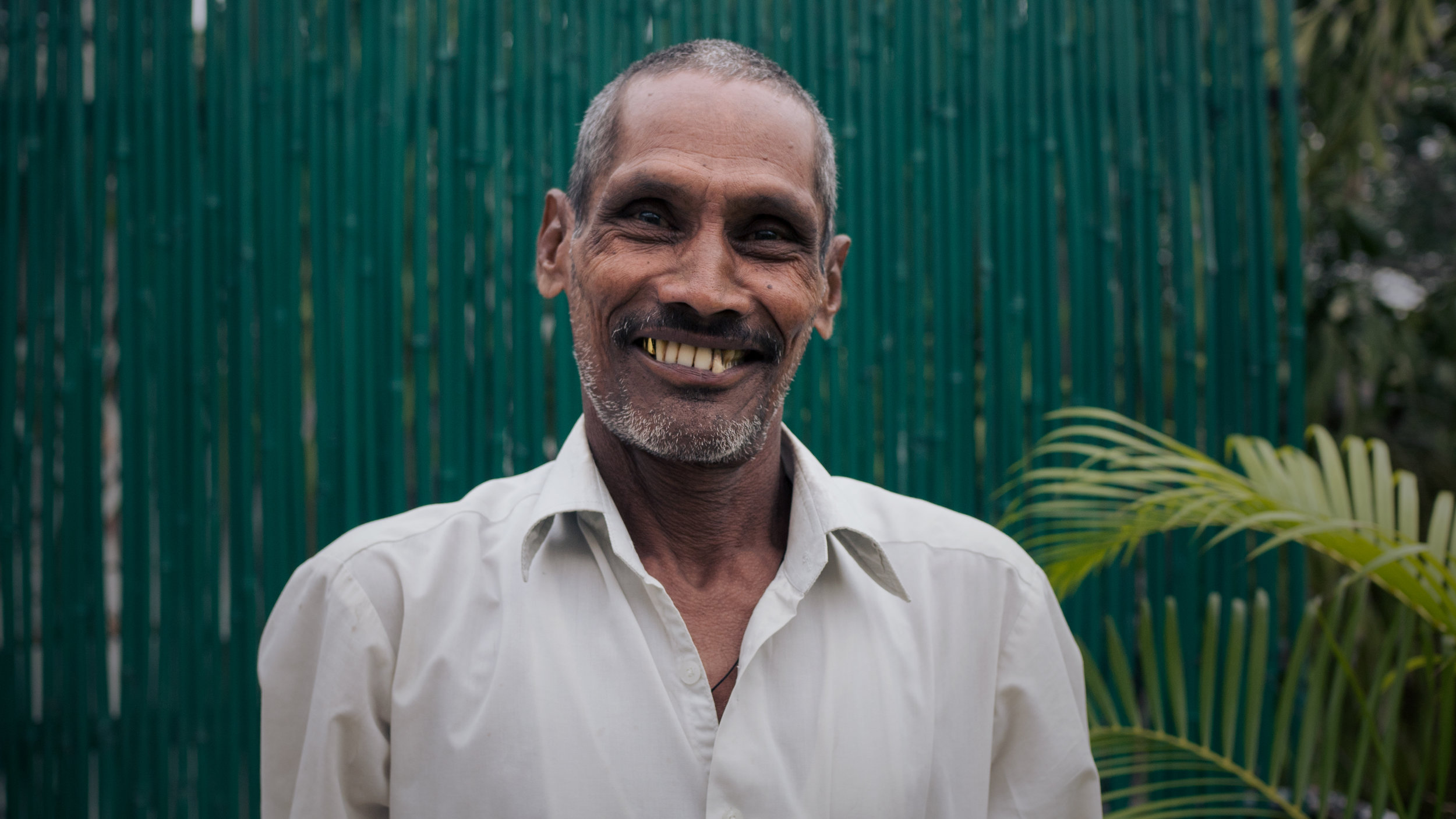
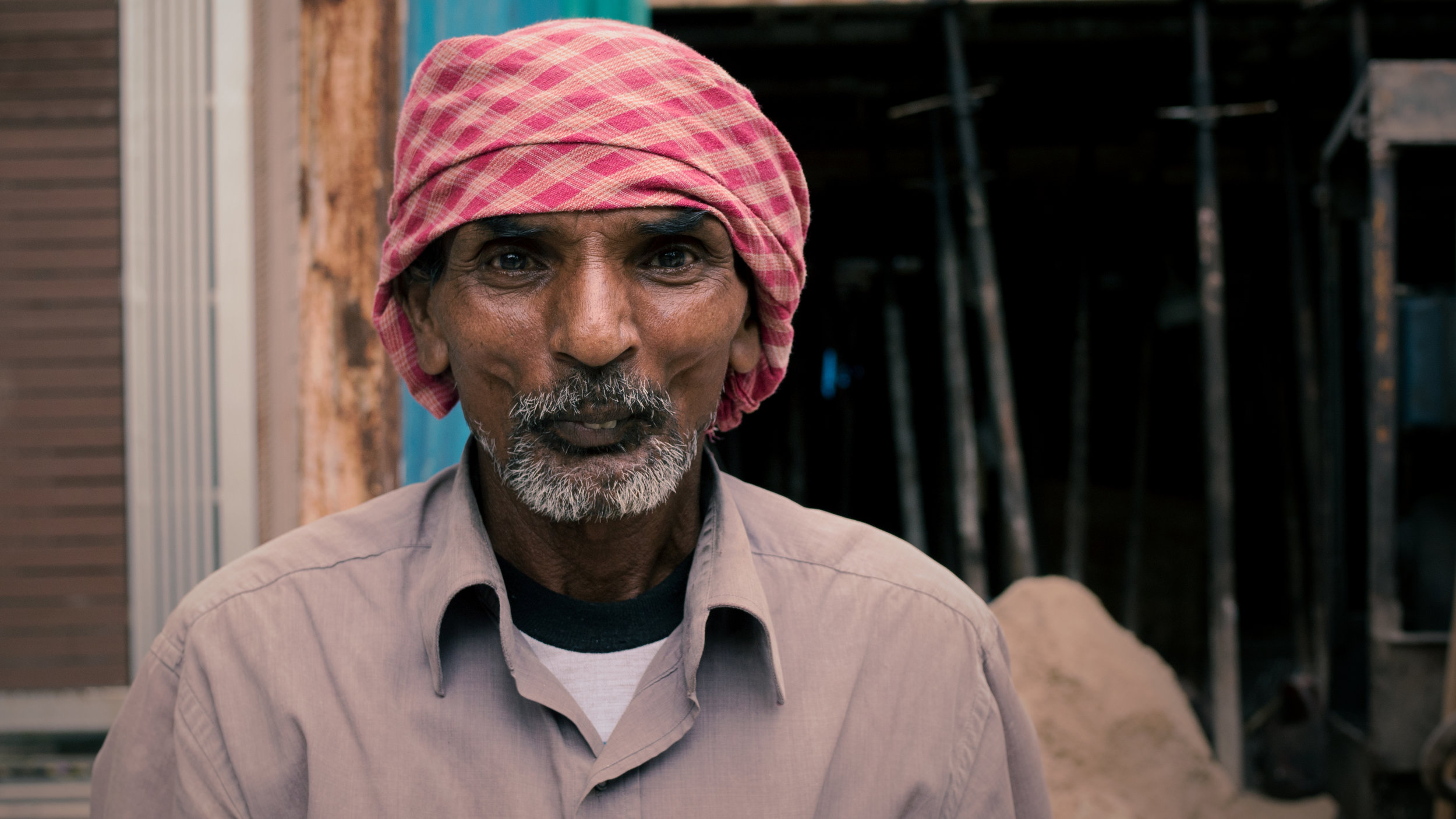
Ram Karan Malhotra, a manual labourer and gardener has lived in Delhi for over forty years when he moved from his hometown.
He starts his day at 5am because it’s cooler and less dusty.
“There’s no strength (“takad”: hindi word meaning power or strength) in this air, the air in my village has more takad. The air in Delhi doesn’t have any. The air here smells bad but in my village it is fresh and makes you feel good.”
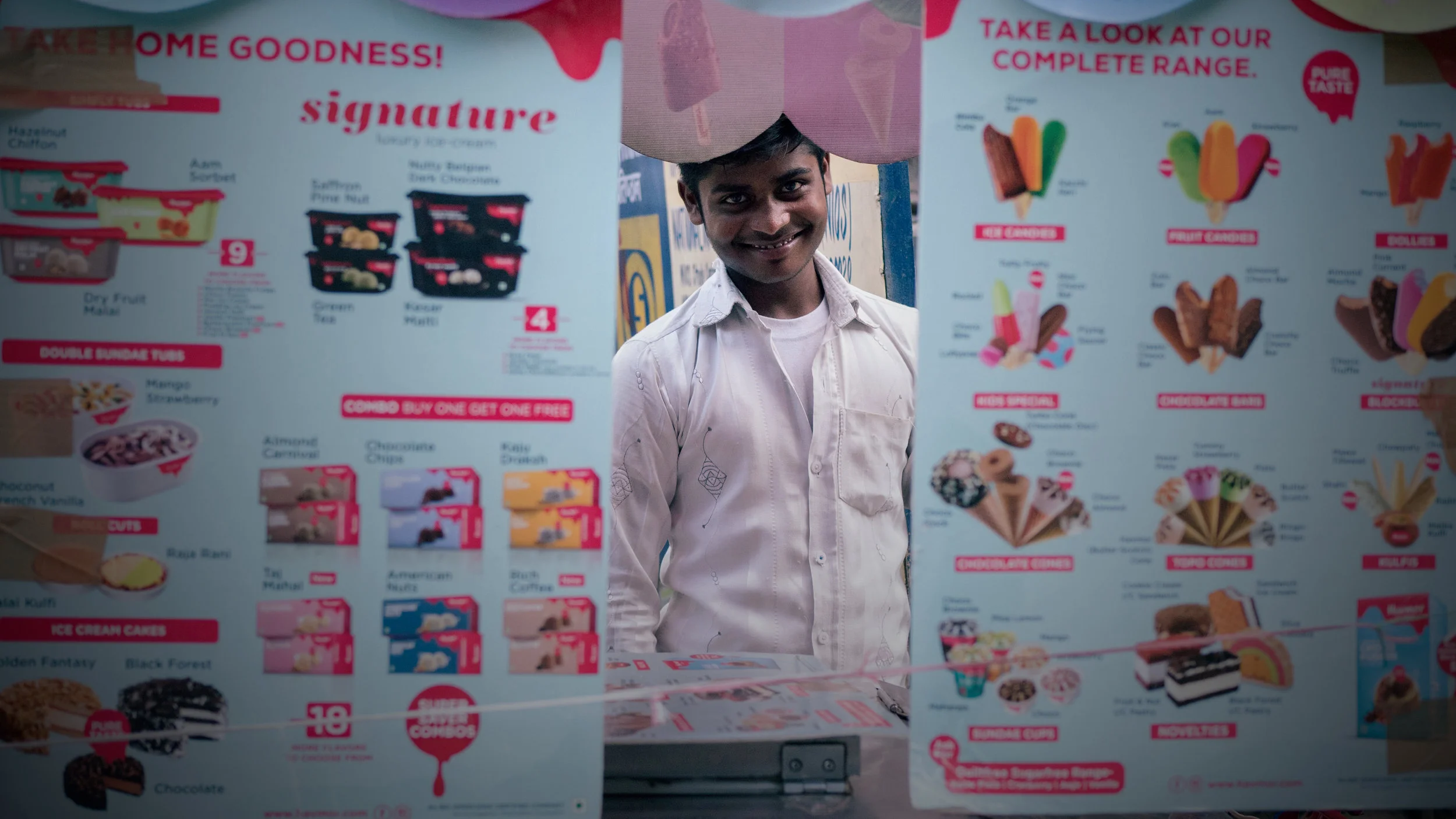
Sanjay Kumar, student and ice cream wallah
Sanjay Kumar, 17, studies science in Delhi.
Unlike most young people in India he wasn’t glued to his phone when I saw him on the street. He was immersed in a text book.
Sanjay begins his working day as an ice cream wallah, wandering the streets hawking ice cream at 11am and if business is good, finishes at 1am that night.
“In the summer days those are my normal hours. I study when I can in between serving customers, there are many hours when I have no customers so I have time to learn and to do my homework here.”
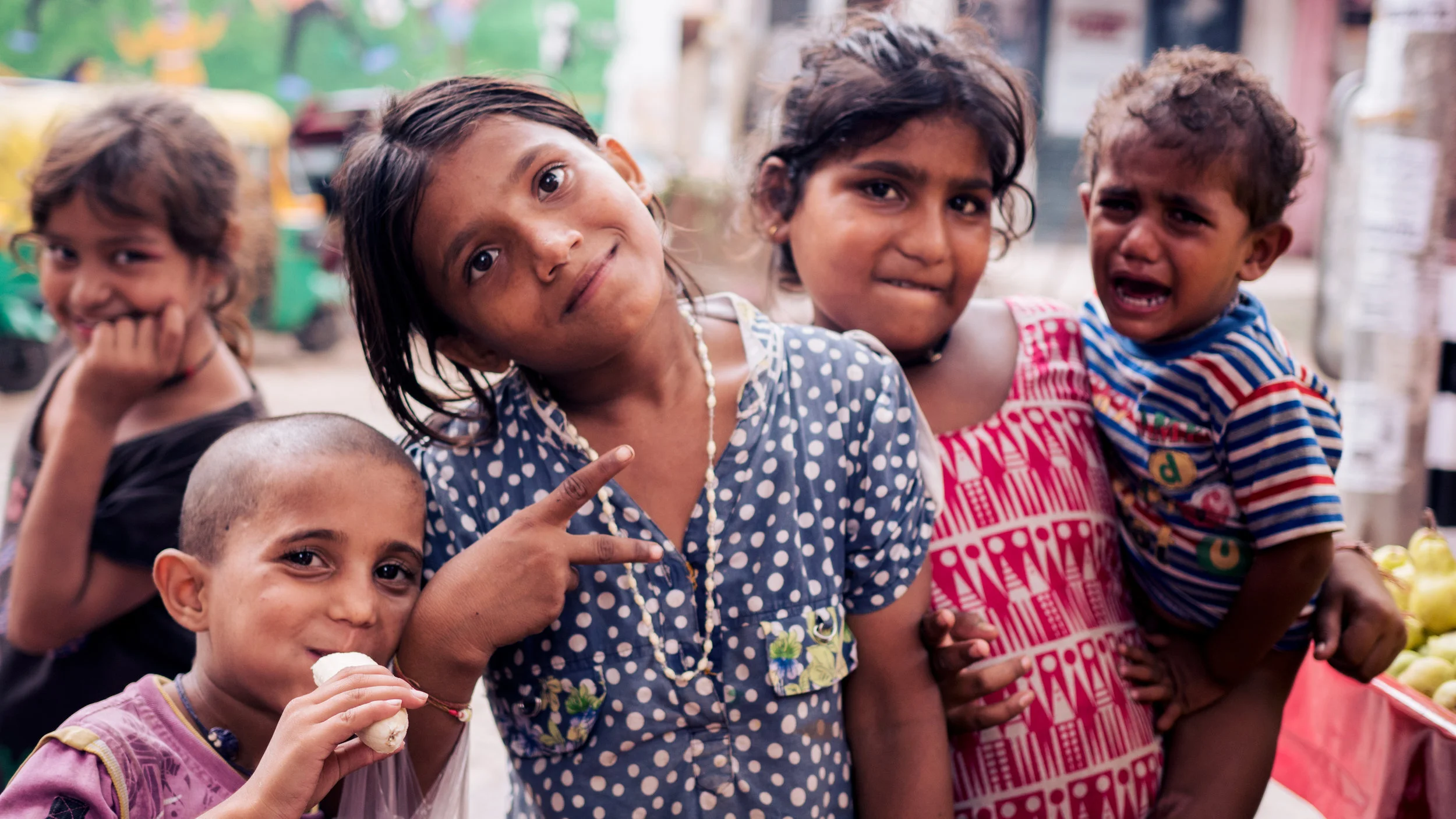
Children of Khirkee Gaon, an immigrant community facing rapid growth and development
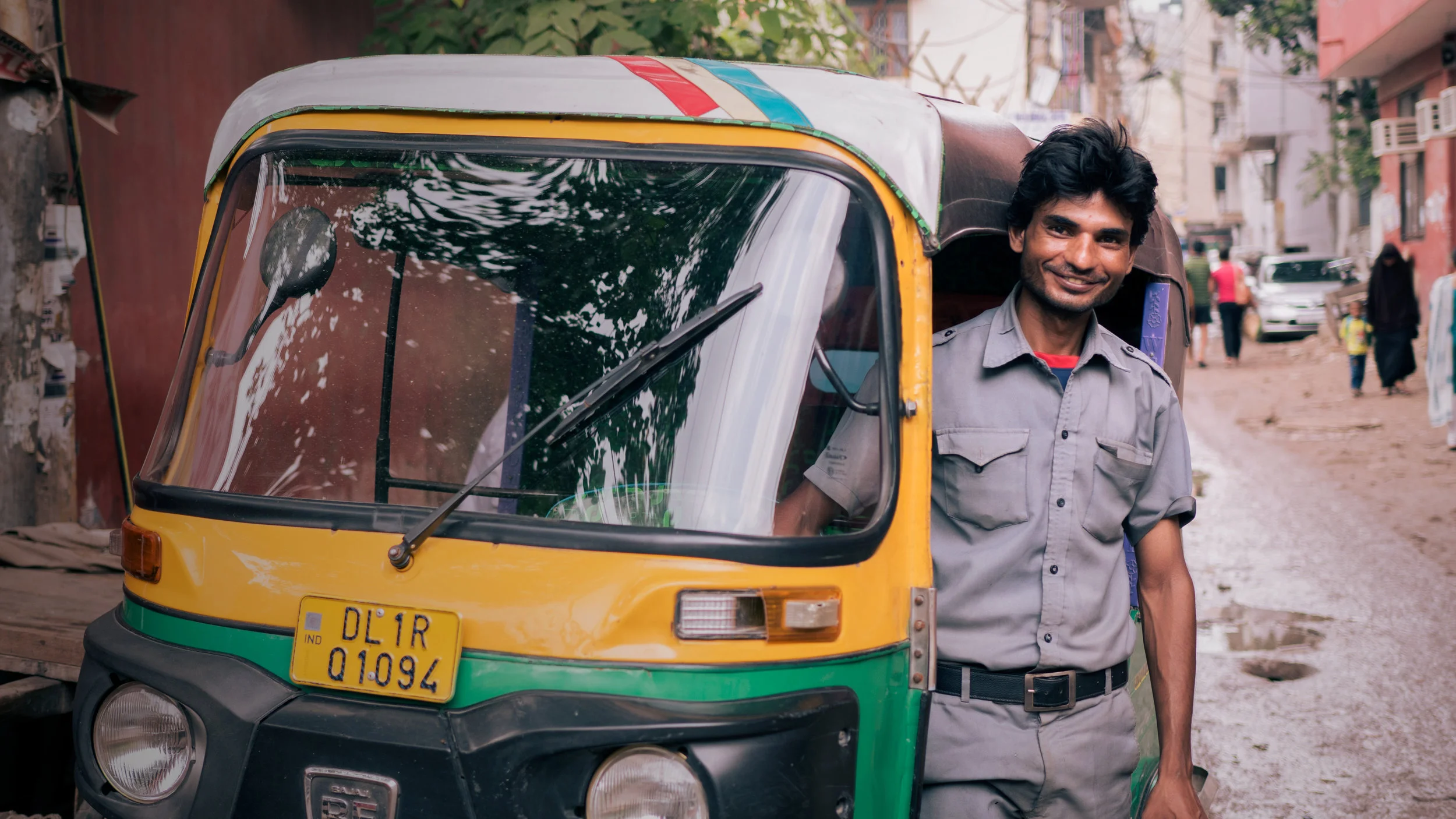
Mohammed Tafiq, rickshaw wallah
Mohammed knows spending his whole day in the open rickshaw is damaging his health but there’s little he can do about it.
“Sometimes I get a really bad cough and occasionally a fever, the cough and fever come when the air is very thick. It gets so bad I can barely breathe. I believe the air is weakening my body and is making my illness worse. The calcium in my bones is lowering because of the air pollution too.
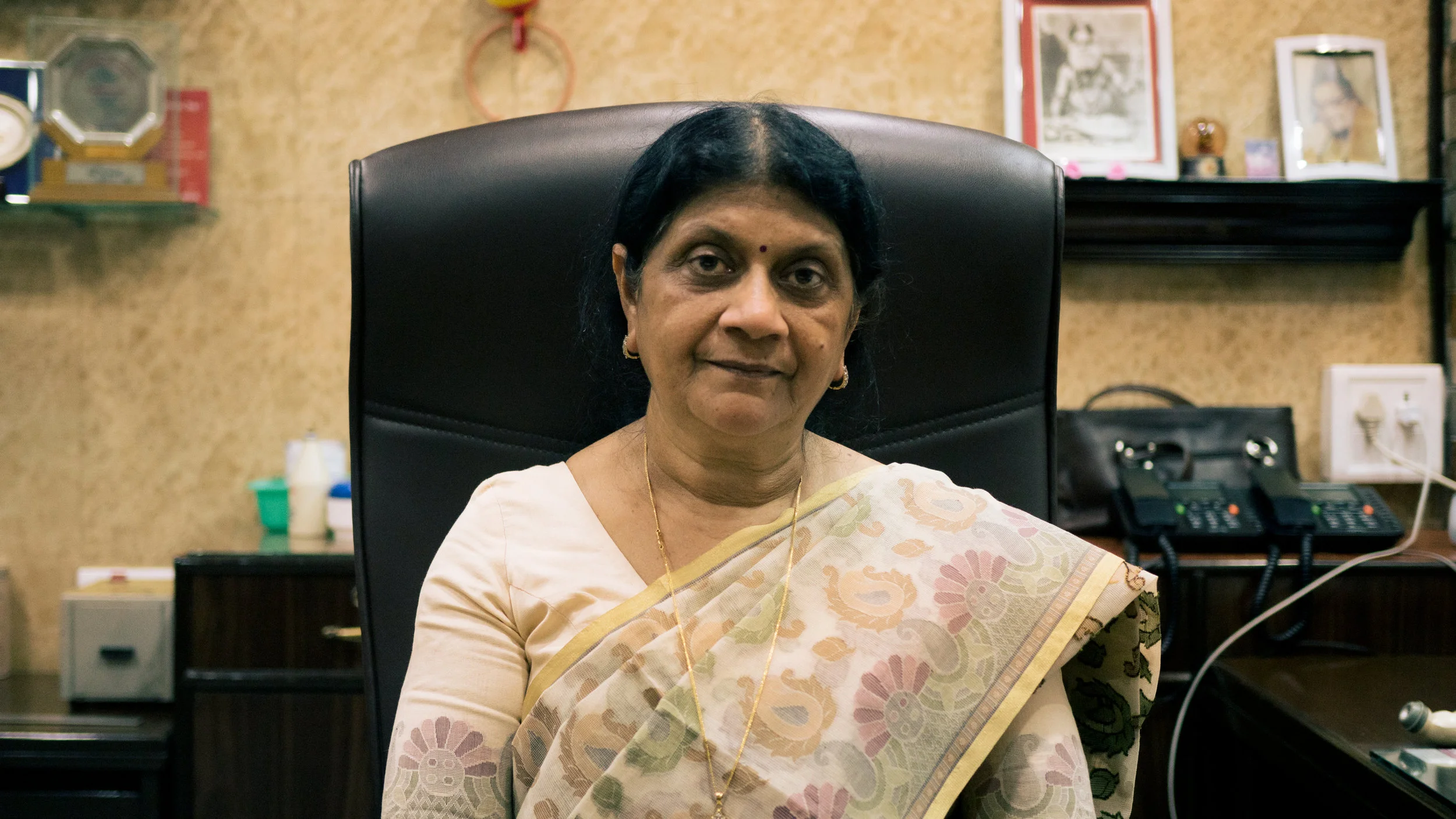
Dr Premila Paul, a paediatrician who sees many children struggling with Delhi’s toxic air
Based in Pune, Maharashtra since January 2017
Portfolio of work from India